


Choosing a massage chair can be difficult because many models appear similar. Most offer automatic programmes, airbags, heating and reclining functions.
However, the real difference is not the number of features listed. It is how accurately the chair fits your body, responds to your needs and delivers a comfortable massage.
Before buying, ask one important question:
Can this chair genuinely support my massage, recovery and wellness needs?
Start with Your Wellness Needs
There is no single massage chair that suits everyone.
Consider why you want one. You may need:
- Everyday relaxation after work
- Relief for shoulder or back tension
- Foot and lower-body recovery
- Stretching and mobility support
- A shared wellness solution for the family
- A compact chair for a smaller home
- A more advanced, personalised massage
Understanding your priorities prevents you from paying for functions you may not use or choosing a chair that cannot provide the support you need.
Understand the Difference Between OEM and OBM Massage Chairs
Many lower-priced massage chairs are generic OEM products.
Under this model, brands select ready-made chairs from third-party factories, add their logos and sell them under different names. Several brands may therefore use similar internal mechanisms, designs and preset programmes.
These chairs commonly rely on repetitive movements, fixed pressure and standard routines. They may provide basic relaxation but have limited ability to adapt to different body shapes or tension areas.
OGAWA operates as an OBM, or Original Brand Manufacturer. It develops its own massage technology, product design, engineering and manufacturing systems.
This gives OGAWA greater control over how the chair performs and how its movements respond to the user. The difference is simple: generic chairs are often designed to repeat, while OGAWA chairs are developed to respond.
Look Beyond the Number of Programmes
A chair with 30 programmes is not necessarily better than one with 15.
The number of programmes does not show how accurately or comfortably the massage is delivered. Instead, evaluate whether the chair can:
- Locate your shoulders and spine accurately
- Adapt to your height and body shape
- Adjust pressure and intensity
- Focus on areas requiring attention
- Coordinate speed, rhythm and direction
- Transition smoothly between techniques
Basic chairs commonly perform the same routine regardless of who is sitting in them. More advanced OGAWA systems use body recognition and adaptive massage technology to create a more controlled and personalized experience.
Consider How Much Personalisation You Need
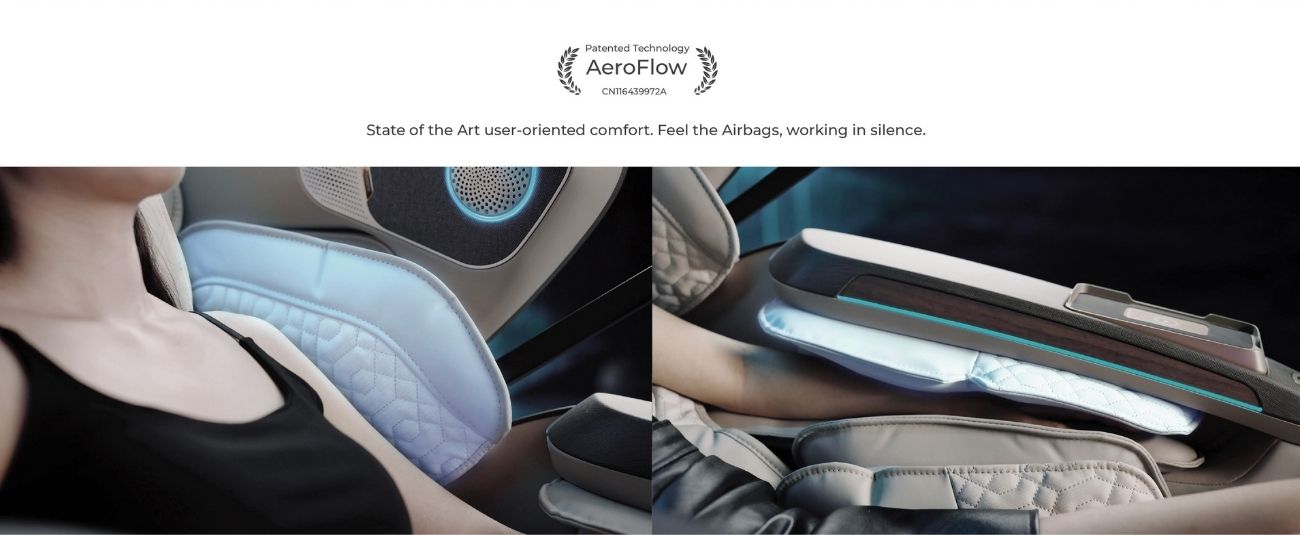
For occasional relaxation, a practical chair with several well-designed programmes may be sufficient.
For users with specific recovery needs, personalisation becomes more important. Advanced systems may include body mapping, fatigue sensing, targeted massage zones and automatic pressure adjustments.
OGAWA Patented technologies can scan the user’s body position and areas of tension before changing the massage intensity, movement and technique.
This creates a clear difference between a chair that simply performs a preset programme and one that attempts to understand what the body needs during each session.
Choose a Chair That Fits Your Home
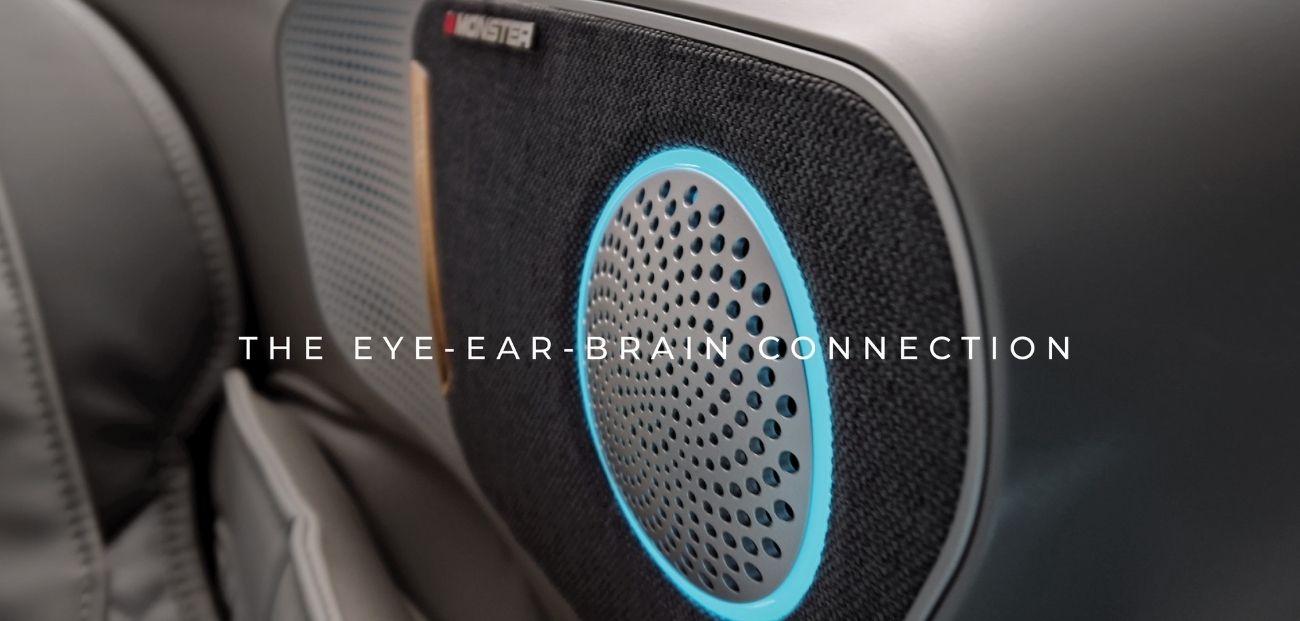
A good massage chair should suit both your body and your living space.
For Singapore homes, consider:
- The chair’s upright and reclined dimensions
- The required distance from the wall
- Whether it fits through the lift and doorway
- Whether the footrest fits different users
- Whether the design complements the room
- How frequently the household will use it
OGAWA offers compact models, practical everyday chairs, advanced recovery systems, designer loungers and flagship massage chairs for different spaces and wellness needs.
Always Try the Chair Before Buying
A massage chair should not be chosen based only on photographs, reviews or specifications.
Every person has a different body shape, sensitivity and preferred pressure. During a showroom trial, assess whether:
- The rollers align with your shoulders and spine
- The pressure feels comfortable
- The movements feel smooth rather than mechanical
- The chair reaches your main tension areas
- The foot and calf sections fit properly
- You feel better after the session
The objective is not to choose the strongest massage. It is to choose the most suitable massage for your body.
Consider After-Sales Support and Long-Term Value
A massage chair contains mechanical, electrical and software components. The company supporting the chair is therefore just as important as the product itself.
Before buying, check whether the brand provides:
- Local customer service
- Trained technicians
- Replacement parts
- Meaningful warranty coverage
- Maintenance and relocation assistance
- Trade-in or upgrade options
Some low-cost brands may rely heavily on overseas factories and keep limited replacement parts locally. This can make servicing difficult even when the product is under warranty.
OGAWA provides local technical support, certified servicing, maintenance assistance and access to replacement parts. Customers may also benefit from member privileges, trade-in programmes and future upgrades.
The cheapest chair is not always the best-value choice. A poorly fitted chair that is uncomfortable or rarely used offers little value, while a well-engineered chair shared regularly by the household may provide stronger value over time.
Why Many Consumers Choose OGAWA
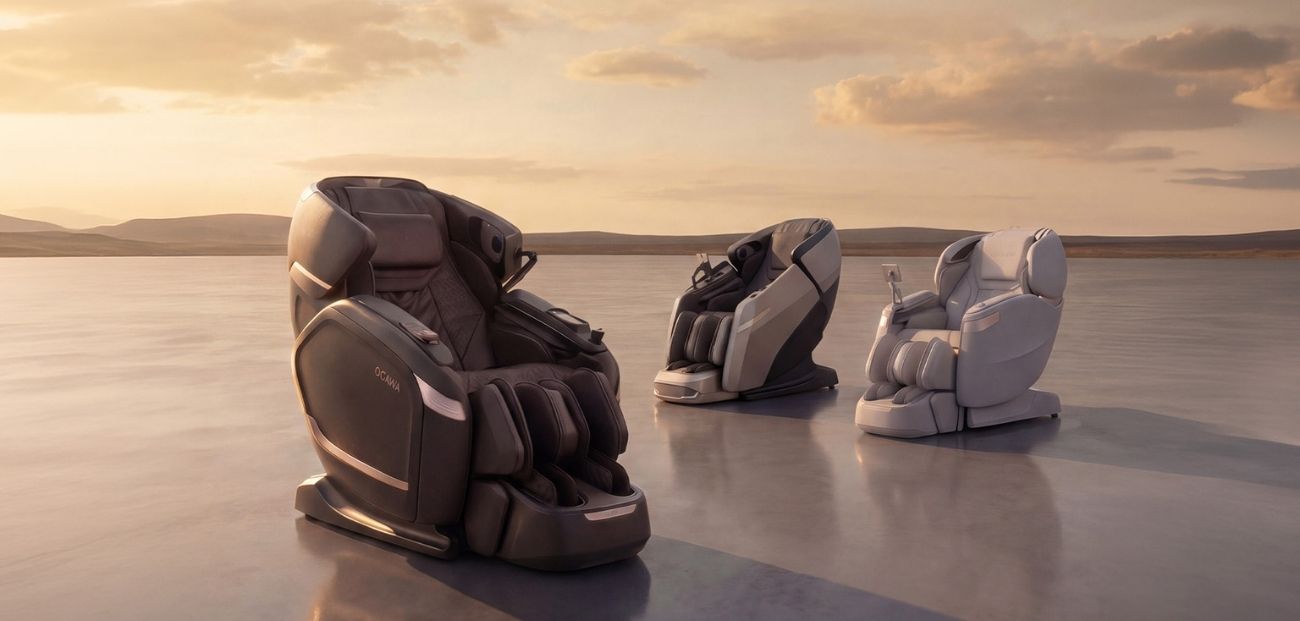
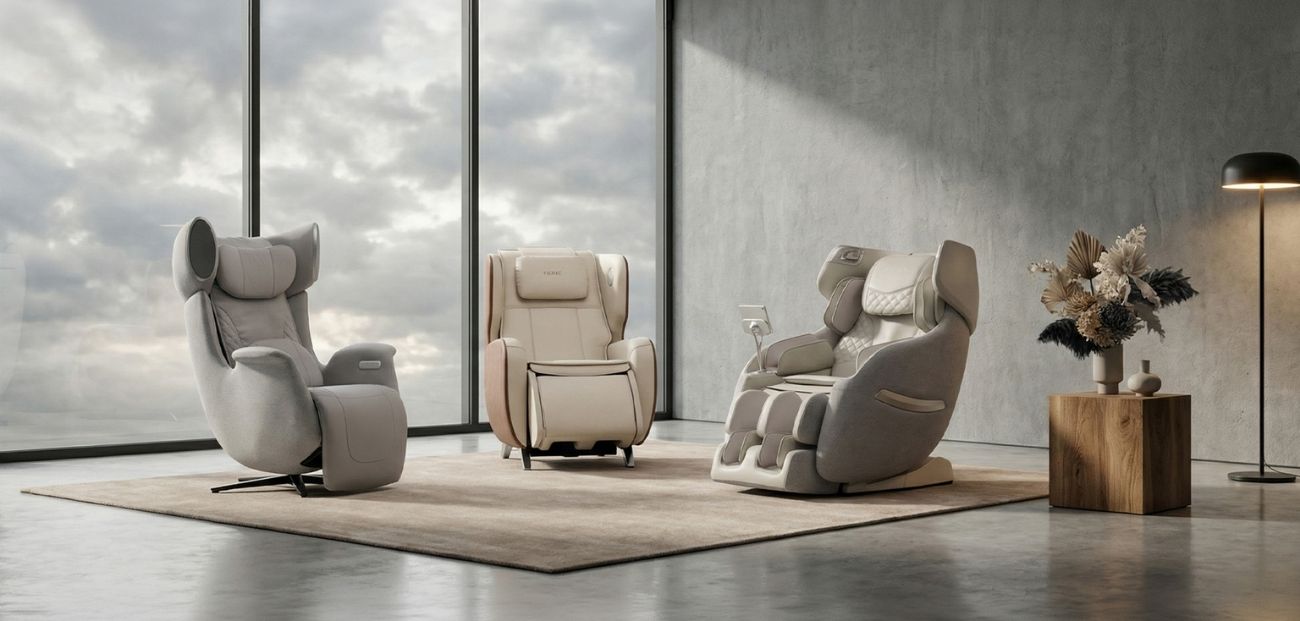
OGAWA is not positioned as the lowest-priced massage chair brand.
Its popularity comes from providing a more complete experience through:
- Proprietary OBM engineering
- Patented massage technology
- Intelligent body recognition
- Adaptive massage personalisation
- Smoother, coordinated movements
- Different chairs for different homes
- Guided showroom consultations
- Established local technical support
Two massage chairs may look similar from the outside, but the experience can be very different once the massage begins.
One may simply repeat a series of movements. The other is designed to recognise, adapt and respond to the person using it.
Ultimately, the best massage chair is not the one with the most programmes, the strongest pressure or the lowest price.
It is the chair that understands your body, fits your lifestyle and continues to deliver a comfortable and dependable massage over time.
Disclaimer: Information shared in this article is for general reference and may vary based on individual circumstances and experiences or updates over time.

