


Cheap and expensive massage chairs can look surprisingly similar. Both may include a combination of rollers, airbags, heating, reclining functions and several automatic programmes, or even AI commands.
The real difference is usually found beneath the upholstery. It lies in how the chair is developed, how accurately it fits the user’s body, how naturally it performs each movement and whether the brand can support the product over time.
Mass Manufacturing vs Patented Development
Many lower-priced chairs are low cost mass manufactured OEM products.
Brands select ready-made models from third-party factories, add their logos and sell them under different names. Several chairs may therefore share similar internal mechanisms, components and programmes.
These chairs commonly rely on:
- Fixed massage routines
- Repetitive roller movements
- Standardised pressure
- Limited body recognition
- Generic components
They may provide basic relaxation but often have limited ability to identify where the user is tense or adjust the massage accordingly.
OGAWA operates as an OBM, or Original Brand Manufacturer. It develops its own research, patented technology, product design, engineering and manufacturing systems.
This gives OGAWA greater control over how its chairs position the rollers, deliver pressure and respond to the user.
Fixed Programmes vs Intelligent Personalisation
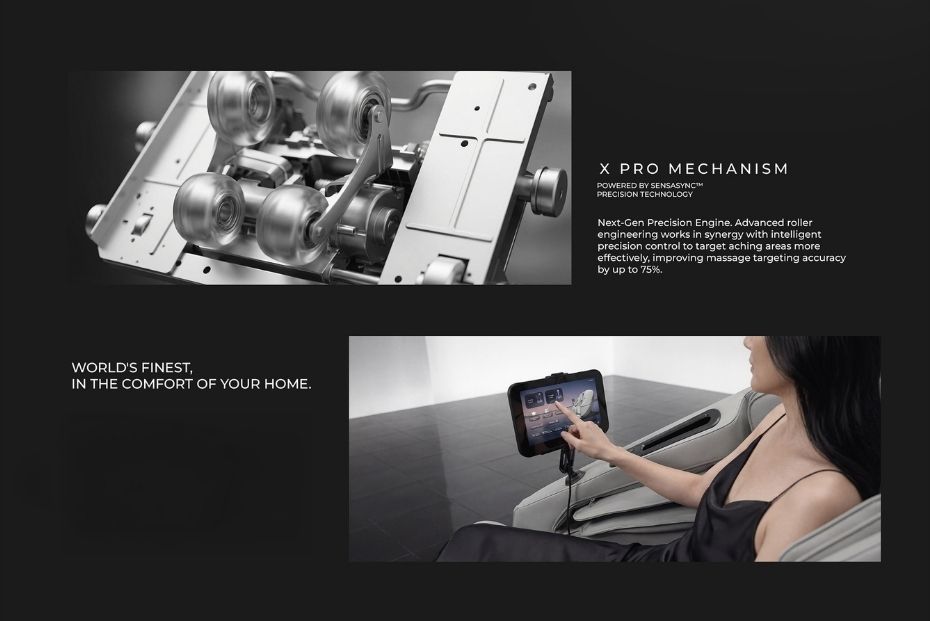
Most basic chairs follow preset programmes using predetermined speed, pressure and movements.
The massage may remain largely the same regardless of the user’s height, body shape or physical condition. As a result, the rollers may miss tension areas, press against sensitive points or repeat movements that provide little relief.
OGAWA chairs are designed to respond rather than simply repeat. Depending on the model, technologies may include:
- Real-time body mapping
- Shoulder and spinal detection
- Body-condition sensing
- Adaptive pressure control
- Targeted massage movements
- Personalised programme creation
OGAWA Biovis can deliver up to 10,800 massage transformations by adjusting speed, depth, rhythm, pressure and technique according to the user’s condition.
The difference is simple: a basic chair follows a programme, while an advanced chair attempts to understand what the body needs.
Stronger Does Not Always Mean Better
Massage strength is often mistaken for massage quality.
A powerful roller pressing at the wrong position may feel painful instead of effective. A better massage depends on accurate positioning, suitable depth, controlled pressure and smooth transitions between techniques.
Lower-priced chairs may use rigid movements that repeatedly travel along the same track.
OGAWA develops massage technology intended to coordinate changes in speed, pressure, rhythm and direction, creating movements that feel smoother and more natural.
This is often where consumers feel the clearest difference between a basic chair and a premium one.
Feature Quantity vs Feature Quality

A long feature list does not automatically create a better massage.
Twenty programmes provide limited value when most of them feel similar. Consumers should focus on whether:
- The rollers align accurately
- The chair adapts to different body shapes
- The pressure adjusts comfortably
- The programmes feel meaningfully different
- The movements are smooth and coordinated
- The massage reaches the correct areas
Technology is valuable only when it improves the experience.
OGAWA focuses on how its technologies work together to recognise the user, adapt the massage and provide more purposeful relief.
Generic Features vs Patented Innovation

Terms such as artificial intelligence, body scanning and smart sensing are widely used across the industry.
Consumers should therefore consider whether the technology was genuinely developed by the brand or supplied as part of a standard factory platform.
OGAWA, a global leader in the massage industry:
- Holds more than 2,400 patents
- Invests over US$30 million annually in research and development
- Has more than 800 researchers, engineers and product-development specialists
This supports continued development across massage intelligence, adaptive movement, sensing and pressure control.
Consumers are not only paying for the physical chair. They are paying for the research and engineering behind how the massage is delivered.
Lower Price vs Better Long-Term Value
A cheaper chair may appear more attractive because of its lower upfront price.
However, value also depends on how frequently the chair is used and how well it serves the household. A chair that feels rough or uncomfortable may eventually become unused furniture.
A premium chair providing a more suitable massage may be used regularly by several family members.
A massage parlour session may cost around $80 per person. Based on the source calculation, an OGAWA Master Series chair may cost approximately $7 per session when used once daily over five years, or around $1.75 per person when shared by four household members.
The higher upfront price may therefore provide stronger long-term value when the chair becomes part of the family’s regular wellness routine.
Long-Term Support Matters
The difference between cheap and expensive chairs continues after delivery.
Massage chairs contain mechanical, electrical and technological components that may eventually require maintenance or replacement parts.
Some lower-priced brands may rely heavily on overseas factories and have limited local service resources.
OGAWA supports customers through certified local technicians, warranty and maintenance services, technical assistance, replacement parts, trade-in opportunities and member privileges.
A warranty is meaningful only when the brand has the people, parts and expertise required to fulfil it.
Always Try Before Buying
Specifications cannot fully communicate how a massage feels.
During a showroom trial, consider whether:
- The rollers align with your body
- The pressure feels comfortable
- The massage reaches your tension areas
- The movements feel smooth rather than mechanical
- The chair adapts well to your body
- You feel better after the session
The objective is not to choose the strongest or most expensive chair. It is to choose the chair that provides the right massage for you.
So, What Is the Real Difference?
The real difference between cheap and expensive massage chairs is not simply their appearance or number of features.
It is the difference between:
- Generic manufacturing and Patented engineering
- Fixed routines and intelligent personalisation
- Repetitive movement and coordinated massage
- Standard components and patented innovation
- Lower upfront cost and stronger long-term value
- Limited service and dependable ownership support
A lower-priced chair may be sufficient for occasional relaxation.
For consumers seeking regular use, more precise massage, intelligent personalisation and reliable long-term support, OGAWA provides a more complete experience.
OGAWA costs more because it invests in developing chairs that do more than move. They are designed to recognise the body, respond to changing needs and deliver meaningful wellness value over time.
Disclaimer: Information shared in this article is for general reference and may vary based on individual circumstances and experiences or updates over time.

